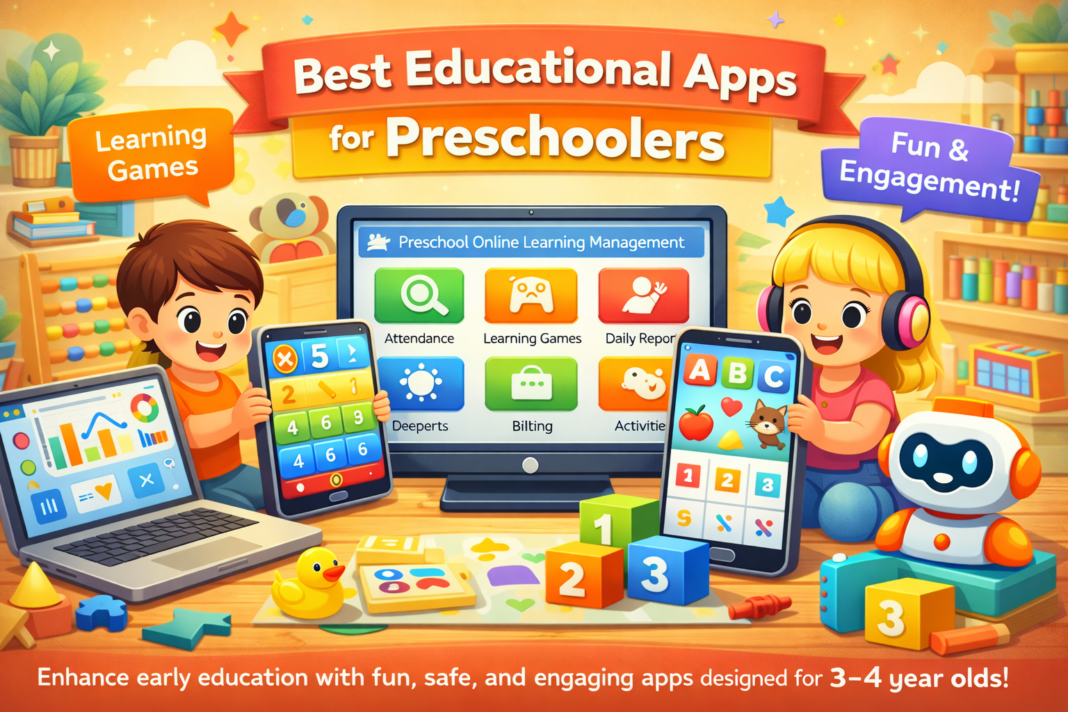

Early childhood education has always focused on nurturing curiosity, creativity, and foundational skills. As technology becomes more integrated into daily life, digital learning tools are playing an increasingly important role in supporting structured and engaging education for preschool and kindergarten learners. When designed thoughtfully, these tools enhance learning without replacing the essential role of teachers and parents.
This article explains how digital platforms, preschool-focused software, and age-appropriate learning games are improving early education experiences while keeping young learners at the center.
Table of Contents
- 1 The Growing Role of Digital Learning in Early Education
- 2 Why Preschool Education Needs Purpose-Built Software
- 3 Learning Through Play: The Value of Educational Games
- 4 Supporting Skill Development at an Early Age
- 5 Benefits for Teachers and Educators
- 6 Enhancing Parental Involvement Through Digital Platforms
- 7 Balancing Screen Time with Meaningful Learning
- 8 Building Confidence Through Interactive Learning
- 9 Long-Term Value of Digital Learning Tools
- 10 The Future of Early Childhood Learning
- 11 Conclusion
The Growing Role of Digital Learning in Early Education
Preschools and kindergartens today manage both educational and operational responsibilities. Alongside teaching basic literacy, numeracy, and social skills, institutions must coordinate lesson planning, activity tracking, and parent communication.
An Online Learning Management System helps organize learning resources and educational workflows in a structured digital environment. Such systems allow educators to manage content, track progress, and maintain consistency across classrooms, making learning more organized and measurable.
From a user perspective, digital learning platforms add clarity and continuity to early education while supporting teachers with structured tools.
Why Preschool Education Needs Purpose-Built Software
Early learners require a very different approach compared to older students. Learning must be visual, interactive, and play-based. Generic education platforms often fail to meet these needs.
Preschool Software is designed specifically to align with early childhood learning principles. It supports activity-based learning, simple navigation, and visual engagement, ensuring children remain interested and comfortable while using digital tools.
For educators, preschool-focused platforms simplify documentation and lesson planning, allowing more time for personal interaction and observation.
Learning Through Play: The Value of Educational Games
Play is a natural and essential part of early childhood learning. Digital learning environments that incorporate play-based activities help children develop cognitive, motor, and problem-solving skills in an enjoyable way.
Preschool And Kindergarten Learning Games combine education with entertainment by using stories, puzzles, colors, and sounds to reinforce learning concepts. These games encourage active participation rather than passive screen time.
When used in moderation and guided by adults, learning games become effective tools for reinforcing classroom lessons and supporting independent exploration.
Supporting Skill Development at an Early Age
Children between the ages of three and five experience rapid cognitive and emotional development. Learning tools designed for this age group focus on building foundational skills such as recognition, coordination, memory, and logical thinking.
The Best Educational Apps For 4 Year Olds emphasize age-appropriate challenges that match a child’s developmental stage. These apps use simple instructions, friendly visuals, and positive reinforcement to encourage learning without pressure.
From a user-focused perspective, such applications support confidence-building and curiosity while maintaining a safe and controlled digital environment.
Benefits for Teachers and Educators
Digital learning tools are not only designed for students but also to support educators. Managing lesson plans, activities, and progress reports manually can be time-consuming and inconsistent.
An Online Learning Management System provides educators with structured access to learning materials, activity schedules, and progress tracking tools. Teachers can easily monitor individual development and adjust activities based on learning pace.
This structured support helps educators maintain consistency while focusing more on teaching quality and student engagement.
Enhancing Parental Involvement Through Digital Platforms
Parental involvement plays a crucial role in early education. Digital platforms help bridge the gap between classrooms and homes by offering insights into learning activities and milestones.
Preschool Software often includes features that allow parents to understand what their children are learning and how they are progressing. This transparency encourages collaboration between parents and educators.
When families are informed and involved, children receive consistent support both at school and at home, strengthening overall learning outcomes.
Balancing Screen Time with Meaningful Learning
One of the common concerns around digital education is excessive screen exposure. Responsible digital learning focuses on quality rather than quantity.
Preschool And Kindergarten Learning Games are most effective when used as part of a balanced routine that includes physical play, creative activities, and social interaction. Short, guided sessions ensure that technology supports learning without overwhelming children.
Educators and parents play a key role in setting boundaries and ensuring digital tools complement, rather than replace, traditional learning methods.
Building Confidence Through Interactive Learning
Young learners gain confidence when they experience success in small, achievable steps. Digital learning tools often use interactive feedback, animations, and rewards to motivate children.
The Best Educational Apps For 4 Year Olds are designed to celebrate progress rather than perfection. This approach helps children feel encouraged and confident while developing a positive attitude toward learning.
User-friendly design ensures that children can explore content independently while still feeling supported.
Long-Term Value of Digital Learning Tools
When implemented thoughtfully, digital learning platforms offer long-term value for educational institutions and families. Structured digital systems provide consistency, documentation, and scalability for growing preschools.
An Online Learning Management System supports continuous improvement by offering insights into learning patterns and engagement levels. Over time, this data helps educators refine teaching strategies and improve learning outcomes.
From a professional standpoint, digital tools contribute to sustainable, high-quality early education.
The Future of Early Childhood Learning
As technology continues to evolve, early education will benefit from more personalized and adaptive learning experiences. Digital platforms will increasingly focus on user-centric design, ensuring accessibility and ease of use for children, teachers, and parents alike.
Preschool Software and learning applications will continue to align closely with developmental needs, supporting holistic growth rather than academic pressure. The future of early education lies in blending human guidance with supportive technology.
Conclusion
Digital learning tools are transforming early childhood education by enhancing structure, engagement, and collaboration. Platforms such as an Online Learning Management System, preschool-focused software, and play-based learning games support meaningful learning experiences for young children.
When combined with responsible usage and active adult involvement, digital tools help create balanced, enjoyable, and effective learning environments. By keeping children at the center, technology becomes a valuable partner in early education rather than a distraction.