Tell us about your business and goals. We'll recommend only what will genuinely help, even if that means doing less than you expected.



Last Updated 28 Oct 2026
Marketing advice ages quickly. A trend is worth acting on only if it changes what your customers do or how they find you. Here are six that matter in 2026, with one thing you can do about each this quarter. If you only have time for one, start with the first.
More searches now end with an AI-written answer at the top of the page, or in a chat tool, before anyone clicks a link. That does not make SEO obsolete, because those answers are built from pages that explain things clearly and can be trusted. It does mean ranking alone is not enough. You also want to be the source that is quoted.
Do this: pick your ten most important customer questions and make sure each has a page with a clear, direct answer in the first paragraph, a named author and accurate facts. Check how you appear with our free SEO and AI visibility audit.
2. AI inside your workflow, with a human in charge
Most marketing teams now use AI for research, outlines, first drafts and reporting. The risk is volume without value. Google’s spam policies target scaled content produced mainly to rank, whether a person or a tool wrote it, so copying thousands of AI pages is a way to lose traffic, not gain it.
Do this: use AI to speed up research and drafts, then add what only you have: your own data, photos, examples and opinions, and have a person check every fact. See how we think about this in building brand authority with content marketing.
3. Short video and creator content
Short vertical video on Instagram, TikTok, YouTube Shorts and LinkedIn is now a main way people discover products, and YouTube is also a search engine in its own right. You do not need a film crew. People respond to a real person explaining something useful far more than to a polished ad.
Do this: film one useful 30-60 second answer a week, on your phone, in good light with clear audio. Reuse the best ones on your site and in email. Our post on digital marketing channels covers where video fits.
4. First-party data and privacy
Browsers and regulators keep limiting how people can be tracked across the web. The businesses that cope best have their own list of customers and subscribers who agreed to hear from them, and a CRM that records where each lead came from.
Do this: make sure your forms capture consent, your analytics events track enquiries (not just page views) and you send one useful email a month. Personalisation then comes from what you actually know about customers, not from tracking.
5. Speed and mobile experience
Most local and small-business searches happen on a phone. Google’s Core Web Vitals measure how quickly a page loads, how stable it is, and how fast it reacts (the interaction metric is now INP). Slow, jumpy pages lose visitors and make ads cost more.
Do this: test your top five pages on mobile, fix the biggest image and script problems, and re-test. Our guide to improving website performance with SEO strategies walks through it.
6. Trust, real people and community
Reviews, named experts, case studies and creators your customers actually follow carry more weight than ever because AI-written content is everywhere. Influencer marketing is shifting from big celebrity posts to smaller creators and customers who really use the product.
Do this: ask every happy customer for a review, put a real name and photo on your articles, and publish proof of your results. See how social media affects every part of your business and our case studies.
You cannot do all six at once. Pick the trend that is closest to where your customers are now, make one change, measure it for a quarter and then move to the next. For a longer list, read Top Digital Marketing Trends You Cannot Afford to Avoid. If you want help deciding where to start, talk to us or run the free audit.
For most businesses it is the shift to AI-generated answers in search, because it changes how customers find you. The practical response is clear, trustworthy, well-structured content and a technically healthy site.
No. Choose one or two that fit your customers and budget, and measure them before adding more.
Yes. AI answers draw on pages that rank and that Google trusts, so the basics of useful content, good technical health and real expertise still decide who gets seen.

Vaibhav Pandya is a Search Alchemist and founder of VR Bonkers, helping small and mid-size businesses grow organically. He works hands-on with clients across solar, SaaS, and B2B, building search strategies that generate real leads, not just rankings.
How often do you reach for your phone to find answers at your fingertips? In making decisions, more and more people are turning to the internet. But here's the real ...
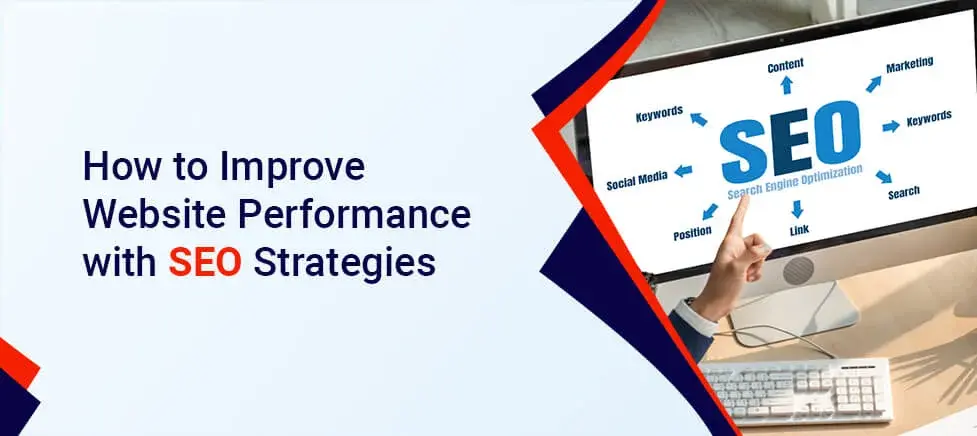
Are you tired of waiting for websites to load? It seems like we've become a generation of impatient users, demanding instant access to information and seamless online experiences. Developers invest ...
Digital marketing is a term that needs no introduction. It has become an indispensable part of almost all kinds of businesses in the last few years. It is hard for ...